How digital leaders create stakeholder value
From silos to AI-powered workflows
Great experiences build trust
The future of compliance

Around the world, governments run their operations and deliver services using legacy tech from the 1980s and 1990s. While these systems still work, they often fail to meet the expectations of modern citizens and public sector employees.
So, how can governments deliver the intuitive, personalized experiences that their stakeholders increasingly demand? It will take a new approach to service delivery, one that’s both digital and human-centered. Government leaders need to swap organizational silos for AI-powered workflows that connect people, data, and processes. In short, they need to rethink how work gets done at scale.
Our new report on public sector transformation shows the path forward. In collaboration with our research partner Thought Lab, we surveyed 1,248 government IT leaders in 20 countries around the world. Our research identified a small cohort of digital Pacesetters that are using AI and other emerging technologies to deliver positive, human experiences that create value and build public trust. Read on to see how Pacesetters are creating the future of government.
About 22% of the government agencies in our study qualify as Pacesetters, meaning they are well ahead of the pack when it comes to implementing digital strategies that create value at scale.
To be a Pacesetter, you can’t just throw money at the problem or focus on one area of operations at the expense of others. Instead, Pacesetters drive progress across the organization in line with strategic goals and objectives.
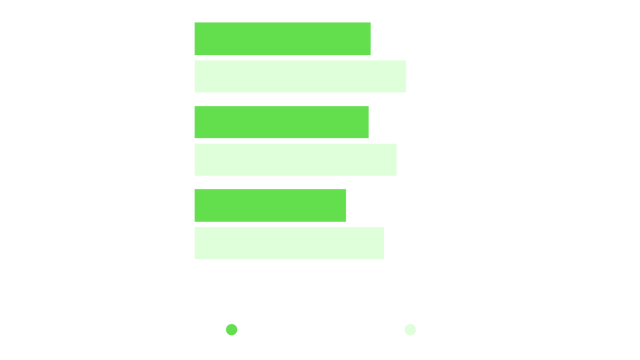
- Higher asset utilization (50% vs. 36%)
- Improved compliance and risk management (49% vs. 30%)amet
- Faster and better public services (41% vs. 27%)
- Greater employee productivity (41% vs. 29%)
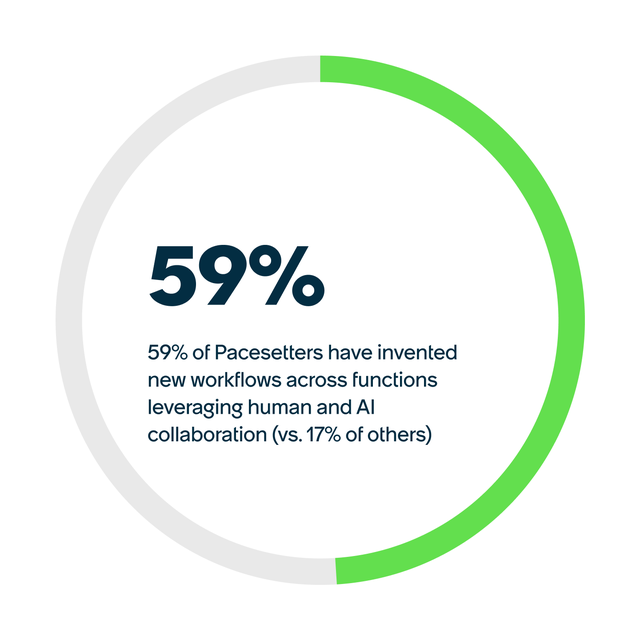
Pacesetters bet big on AI
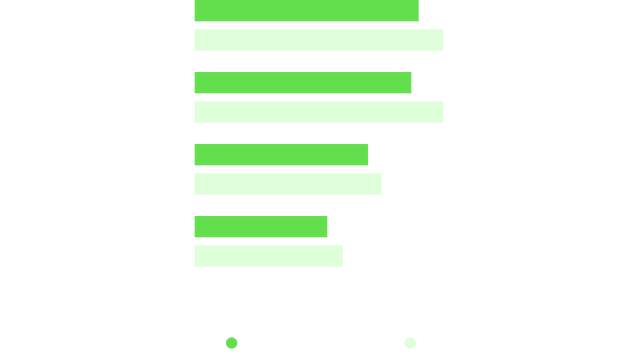
Pacesetters are deploying various forms of AI across the organization to increase efficiency, improve service delivery, and make data-driven decisions. Compared to others, they focus more on:
- Continuous service improvement (53% vs. 35%)
- Personalization of citizen communication (51% vs. 40%)
- Citizen queries and recommendations (41% vs. 37%)
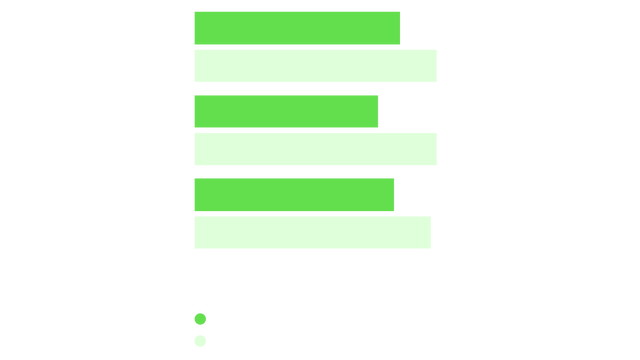
- Implement an operating model that mobilizes IT and government processes (47% vs. 30% of others)
- Communicate transformation goals from top down, with rewards for achievement (46% vs. 39% of others)
- Regularly monitor IT performance against plans (46% vs. 37% of others)
- Implement an operating model that mobilizes IT and government processes (47% vs. 30% of others)
- Communicate transformation goals from top down, with rewards for achievement (46% vs. 39% of others)
- Regularly monitor IT performance against plans (46% vs. 37% of others)
- Modern, cloud-based IT platforms
- Cybersecurity technologies for real-time risk detection, protection, and response
- Automated workflows around risk and resilience
- Install an integrated risk management program
- Digitize, automate, and integrate compliance controls
- Monitor privacy and data loss to maintain compliance